Want to be in the loop?
subscribe to
our notification
Business News
VIETNAM OUTLINES SUSTAINABLE AGRICULTURE AGENDA FOR NEXT FIVE YEARS
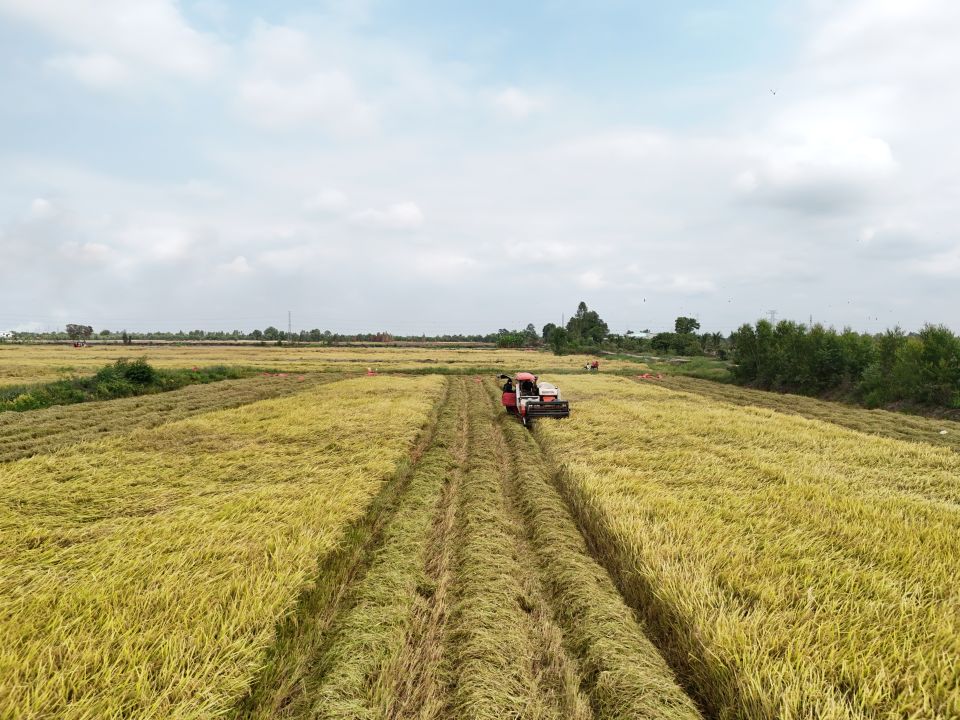
Harvesting rice in the southern province of Tay Ninh - PHOTO: LE VU
HCMC – Vietnam’s agriculture sector has set targets of achieving average annual GDP growth of 3.6-4%, increasing export revenue by 10-12% per year, and cutting greenhouse gas emissions by 8-9% over the next five years.
The targets form the core of a broader strategy to shift from low-value agricultural production toward higher-value products and build an ecological, green and low-emission agricultural sector with more efficient resource management.
The economic, social and environmental goals are outlined in Decision No. 1806/QD-BNNMT on implementing the Government’s key tasks for the 2026-2031 term in the agriculture and environment sectors, recently issued by the Ministry of Agriculture and Environment.
In addition to growth and emissions reduction targets, the plan sets a range of social and environmental objectives, including raising rural incomes to 2.5-3 times the 2020 level, increasing wastewater treatment rates in river basins to 65-70%, maintaining forest coverage above 42%, and ensuring that 65% of communes meet new rural development standards by 2030 while promoting sustainable poverty reduction and broader access to clean water.
The implementation plan comes as the 2026-2031 period is identified as the opening stage for carrying out the resolution of the 14th National Party Congress and laying the groundwork for the economy’s longer-term double-digit growth ambitions.
Against a backdrop of global economic uncertainty, the ministry outlined an action agenda centered on creating new development conditions, opening new growth space and generating new growth drivers. The strategy aims to restructure the sector through larger and more sustainable raw material zones that are resilient to climate change and capable of delivering multiple forms of value.
To support these goals, the ministry identified institutional reform and legal improvements as strategic breakthroughs. Authorities plan to implement 17 related laws while proactively revising key legislation, including the Land Law, the Law on Environmental Protection, the Law on Water Resources and the Fisheries Law.
State management is also expected to shift from a pre-approval approach to stronger post-inspection oversight, alongside greater decentralization to reduce compliance costs for businesses and citizens. The plan sets specific targets to improve the business environment, including reducing at least 30% of conditional business lines and cutting administrative processing time and costs by 50%.
Source: The Saigon Times
Related News
BANKING / FINANCE / INSURANCE / TAX
REMITTANCES TO HCM CITY RISE NEARLY 40% IN Q3
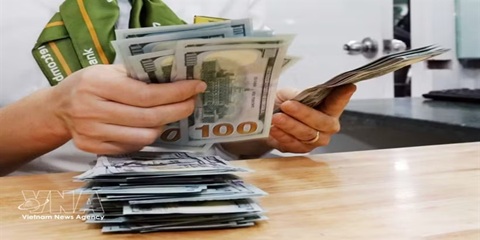
Remittances to HCM City reached more than US$2.83 billion in the third quarter of this year, up 39.5 per cent from the previous quarter and 3.6 per cent year-on-year. This was the first quarter showing positive annual growth this year, helping narrow the decline in remittance inflows over the first nine months. According to the State Bank of Vietnam (SBV)’s Regional Branch 2, remittances transferred to HCM City through credit institutions and economic organisations totalled $2.835 billion in Q3, an increase of more than $802 million from the previous quarter.

TECHNOLOGY
TECH SECTOR GROWTH OPENS UP OPPORTUNITIES FOR VIỆT NAM TO GO GLOBAL
The growth of the electronics, semiconductor and high-tech sectors worldwide is opening up a variety of opportunities for Vietnamese enterprises to integrate more deeply into the global supply chain. However, to become suppliers for these corporations, domestic enterprises must meet rigorous standards regarding quality, technology, productivity and order fulfilment capabilities.
VIETNAM ECONOMY INVESTMENT
FOREIGN INVESTORS SEEKING A SYNCHRONISED MANUFACTURING ECOSYSTEM
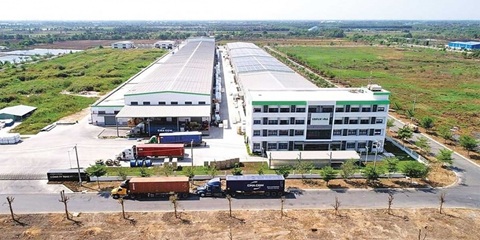
Instead of focusing only on land costs and incentives as usual, foreign investors are seeking a synchronised manufacturing ecosystem, from stable power supply and logistics to shared infrastructure and the convenience of completing residence procedures for experts to serve their long-term investment in the country.
MEMBER CORNER / PROMOTIONS
SENTRYSAFE FHW40200 – PROTECT YOUR VALUABLES, ENJOY PEACE OF MIND!
Looking for a reliable solution to protect your important documents, cash, and valuables from fire and water damage? Genuine SENTRYSAFE - Reliable protection for your valuables and peace of mind! Contact Sen Wai Vietnam for more information and personalized product recommendations.
PROPERTY / INDUSTRIAL ZONE
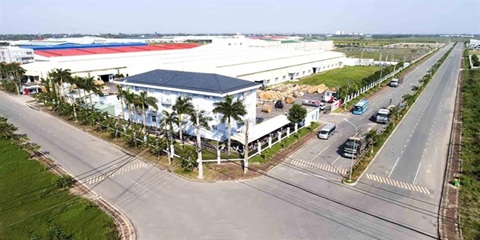
HCM CITY ATTRACTS US$5.7 BILLION INTO EXPORT PROCESSING AND INDUSTRIAL ZONES
HCM City attracted US$5.7 billion in domestic and foreign investment into its export processing and industrial zones during the first nine months of 2026. The figure exceeded the city's full-year target by 31 per cent, highlighting strong momentum in high-quality industrial investment under Resolution No.10-NQ/TW. Total investment reached 131 per cent of the 2026 target of $4.25 billion and represented a 29 per cent increase compared with the same period in 2025, according to the city's Export Processing and Industrial Zones Authority (HEPZA).
INFRASTRUCTURE / CONSTRUCTION / LOGISTIC / PORT
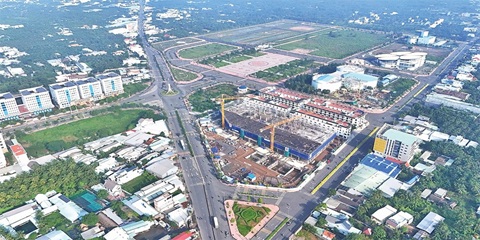
DONG THAP PROVINCE STEPS UP INDUSTRIAL EXPANSION AND INFRASTRUCTURE CONNECTIVITY
Accelerating public investment, strengthening inter-regional connectivity, and expanding industrial land are helping Dong Thap efficiently bolster competitiveness and drive economic growth. Following the 2025 merger of the former Dong Thap and Tien Giang provinces, the expanded Dong Thap province in the Mekong Delta faces mounting pressure to accelerate infrastructure development and strengthen connectivity among local economic zones, urban areas, industrial parks (IPs), and production centres.
Events Sponsors






















