Want to be in the loop?
subscribe to
our notification
Business News
HCMC TARGETS TRACEABILITY FOR 60% OF VEGETABLE FARMS BY 2030
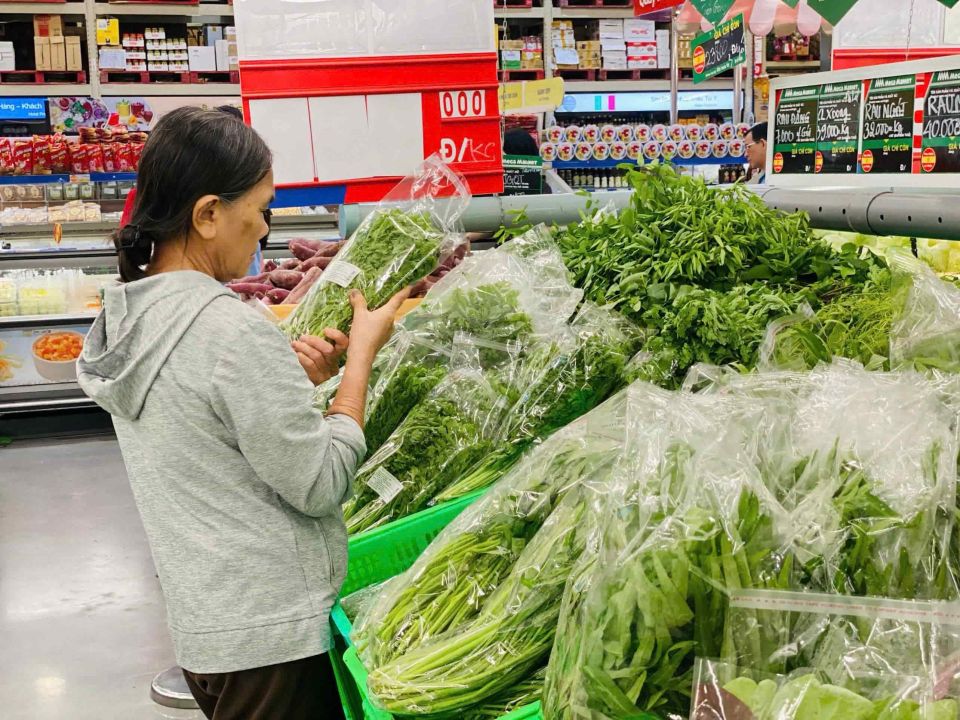
Vegetable products sold at a supermarket in HCMC - PHOTO: MINH THAO
HCMC – Ho Chi Minh City is accelerating its agricultural digitalization strategy by aiming to bring 60% of its vegetable cultivation area into monitored supply chains with planting area codes and clear product traceability by 2030.
Under a plan recently issued by the HCMC government on developing concentrated safe vegetable production zones through 2030, the city will maintain 5,500 hectares of vegetable farmland, equivalent to 35,000 hectares of cultivated area based on crop rotation, with expected output reaching around 880,000 tons annually.
A key focus of the plan is the transition toward high-tech agriculture, with 12,000 hectares of cultivation area expected to adopt advanced technologies. The city aims to raise average production value to VND800 million or VND1 billion per hectare per year, while increasing the share of high-tech vegetable products to 60-70% of the sector’s total value.
In terms of production planning, concentrated vegetable farming zones applying VietGAP, GlobalGAP and organic standards will continue to be developed in regions such as Cu Chi, Hoc Mon and Binh Chanh as well as areas in former Binh Duong and Ba Ria-Vung Tau provinces.
Alongside commonly cultivated vegetables, HCMC will prioritize preserving and developing local specialty products with strong economic value, including water spinach, water mimosa, taro and bamboo shoots. To achieve the target of ensuring all vegetable samples meet food safety standards and establishing 10-15 sustainable safe food supply chains, the city plans to implement a series of science, technology and management solutions.
Authorities will promote the application of the Internet of Things (IoT) and artificial intelligence (AI) in managing greenhouses and net houses, while supporting businesses and cooperatives in building quality management systems that comply with HACCP, ISO and GMP standards. At the same time, HCMC will strengthen linkages between farmers, food processors and modern distribution channels to reduce intermediary stages and tighten control over agricultural inputs.
On the market side, the city will support brand development and geographical indications associated with the OCOP program, while tightening the management and issuance of planting area codes to meet export requirements in major markets such as the U.S., Japan, the EU and China.
Source: The Saigon Times
Related News
INFRASTRUCTURE / CONSTRUCTION / LOGISTIC / PORT
HUNG YEN BUILDS MOMENTUM FOR DOUBLE-DIGIT GROWTH WITH STRONG H1 PERFORMANCE
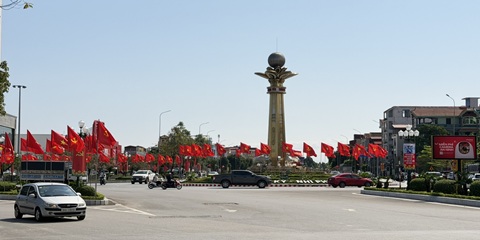
Strong industrial output, rising investment and robust trade propelled Hung Yen into Vietnam's top five fastest-growing localities in the first half of 2026, reinforcing confidence in the province's double-digit growth outlook. Accordingly, the Northern province posted regional GDP growth of 10.7 per cent in the first half (H1) of 2026, outperforming its growth target and ranking among Vietnam's five fastest-growing localities.

GARMENT / TEXTILE
FOOTWEAR INDUSTRY ACCELERATES GREEN TRANSITION, STRENGTHENS SUPPLY CHAINS
Việt Nam's footwear industry is stepping up efforts to build greener production and strengthen domestic supply chains as it seeks to maintain export growth amid global uncertainties. The sector earned nearly US$12 billion from exports in the first half of 2026. During the period, Việt Nam also overtook China to become the largest footwear supplier to the US market for the first time.
VIETNAM ECONOMY INVESTMENT
GROWTH RACE BEGINS TURNING PROVINCES INTO NEW ECONOMIC ENGINES
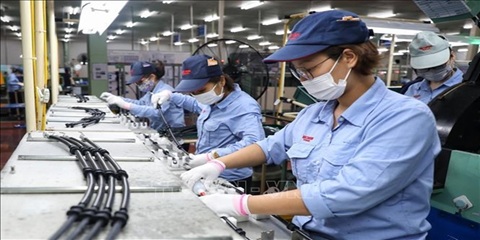
A new growth race is taking shape across Việt Nam, but this time it is not just about which province expands the fastest. The latest gross regional domestic product (GRDP) figures reveal a deeper shift in the way the country is managing its economy, with localities increasingly expected to become independent growth engines rather than simply implementing centrally assigned policies.

VIETNAM ECONOMY INVESTMENT
TRADE BUDGET REVENUE NEARS VND265 TRILLION, DRIVEN BY CUSTOMS REFORM
Budget revenue from Vietnam's import-export activities reached VND264.795 trillion (US$10.59 billion) in the first six months of 2026, up 18.6% from the same period last year. The result reflects not only the strong recovery in trade but also progress in institutional reform, administrative simplification, and digital transformation across the customs sector, helping reduce compliance costs, improve competitiveness, and facilitate trade for businesses.

INFRASTRUCTURE / CONSTRUCTION / LOGISTIC / PORT
VIỆT NAM UPGRADES SEAPORT NETWORK TO STRENGTHEN MARITIME COMPETITIVENESS
Hải Phòng City has emerged as one of Việt Nam's key logistics hubs thanks to an integrated transport network combining expressways, an international airport, a planned high-speed railway and a deep-water port capable of handling vessels of more than 200,000 deadweight tonnages (DWT) with direct connections to Europe and the Americas.

INFRASTRUCTURE / CONSTRUCTION / LOGISTIC / PORT
KHÁNH HÒA CALLS FOR INVESTMENT IN PORTS, LOGISTICS
At an investment promotion conference held on July 14, Trương Văn Tiến, director of the provincial Investment, Trade and Tourism Promotion Centre highlighted the strategic advantages of the Vân Phong deep-water port and Cà Ná port, saying the facilities would underpin the development of port services, logistics, shipbuilding, energy and other marine-based industries.
Events Sponsors


